
Chapter 1
What Happens in Vagus… Does Not Stay in Vagus
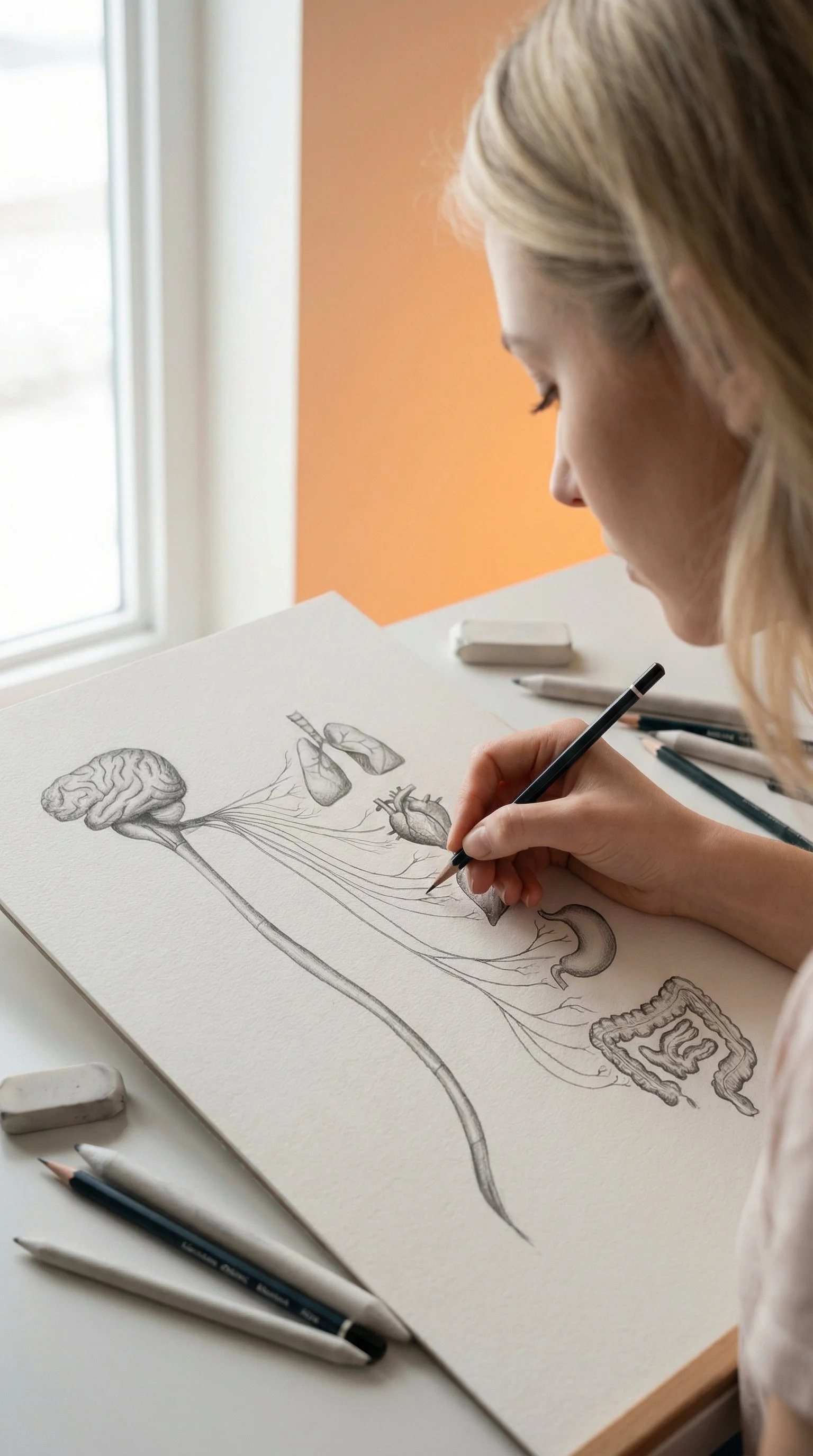
NERVOUS SYSTEM IN A NUTSHELL
The nervous system has two main parts: 1) Central Nervous System (CNS)—made up of the brain and spinal cord. 2) Peripheral Nervous System (PNS)—made up of nerves and ganglia branching throughout the entire body.; regulating voluntary movement and automatic internal processes such as breathing, through electrical signals.
The Central Nervous System (CNS)
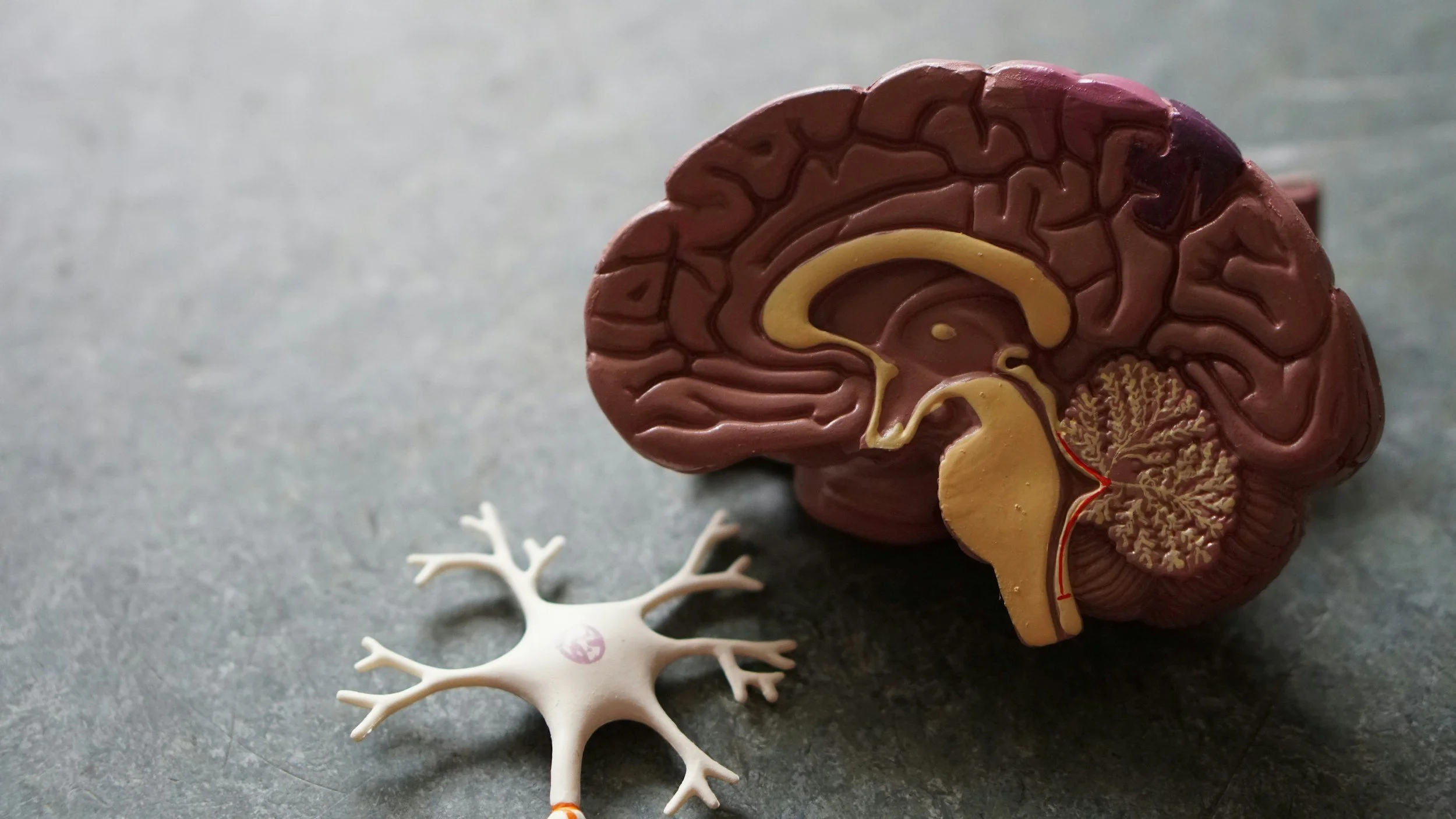
Brain: Controls thinking, sensing, memory, movement, and emotions. Main parts of the brain include the cerebrum, cerebellum, and the brainstem.
Spinal Cord: a conduit relaying messages between the body and the brain.
The Brain is composed of neuron cell bodies (gray matter) for processing and axons (white matter) for transmitting information.
The Peripheral Nervous System (PNS)
Nerves are bundles of axons that branch off of the spinal cord to the remainder of the body.
Ganglia: concentrations of gray matter.
The Somatic Nervous System (SNS): is in control of voluntary movements of the skeletal muscles.
Autonomic Nervous System (ANS): regulates internal organs automatically; broken into the Sympathetic Nervous System (SNS): (prepares the body for stress response “fight or flight”) and the Parasympathetic Nervous System (PNS): (returns the body systems back to their normal)
Dysregulation: What does it look like and what causes it?
*
Dysregulation: What does it look like and what causes it? *
What the Vagus Nerve has to do with Nervous System Regulation
*
What the Vagus Nerve has to do with Nervous System Regulation *
A dysregulated nervous system shows up as remaining in fight or flight, or freeze; which looks like being stuck in “survival mode.” This dysregulation causes chronic stress, fatigue, and an inability to feel calm and safe. It is instability.
A dysregulated nervous system looks like the somatic, or physical, symptoms of pain, GI and digestive issues, insomnia, tight muscles, and rapid heart rate.
Emotionally and Mentally, it presents as anxiety, depression, rage, confusion/forgetfulness/low concentration, numbness/frozen, and irritation.
These symptoms lead to withdrawal, hypervigilance, and becoming impulsive.
Nervous System Dysregulation has many causes: exposure to chronic stress- physical or emotional; exposure to trauma; and unresolved emotional issues. High caffeine intake, insomnia, pain, chronic illness, and inflammation in the body can all lead to dysregulation as well.
Chronic stress: from work, financial concerns, relationship issues, conflicts, etc.; keeps the nervous system on high alert and leads to dysregulation.
Trauma and Abuse: historical or present trauma, and/or abuse, leaves the nervous system in a state of always looking for the threat.
Physical Health: Chronic pain, illness, or inflammation can lead to signaling danger to the nervous system.
Lifestyle can lead to the nervous system’s inability to reset: high caffeine intake; drugs/alcohol abuse; sleep deprivation; dangerous situations.
Sensory Overload: Constant exposure to high-stimulation environments can lead to overload.
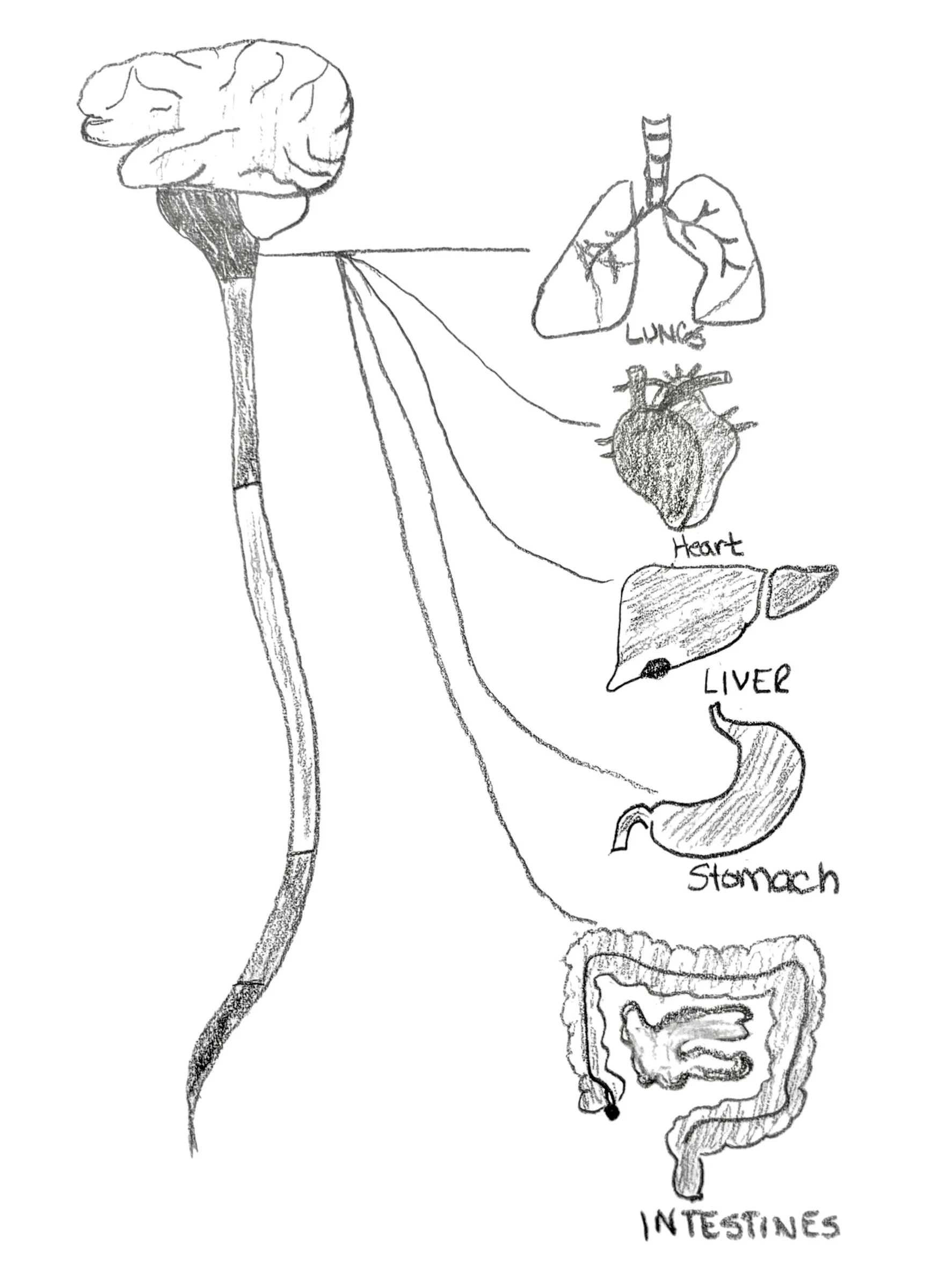
The vagus nerve, also known as Cranial Nerve Ten, originates in the medulla oblongata of the brainstem and travels through the neck, downward through organs and into the abdomen. and is a primary component of the parasympathetic nervous system. It plays a central role in regulating stress response, digestion, heart rate, inflammation, and emotional resilience.
It provides extensive parasympathetic innervation to multiple organ systems.
Primary Functional Areas
• Cervical branches support swallowing and vocalization.
• Cardiac branches influence heart rate variability.
• Pulmonary branches regulate bronchial constriction.
• Esophageal branches coordinate swallowing reflexes.
• Abdominal branches regulate digestion and gut motility
What the Vagus Nerve Does:
• Regulates heart rate and blood pressure.
• Supports digestion and gut motility.
• Influences mood and emotional regulation.
• Modulates inflammation in the body.
• Supports the body's rest and restore response.
How to Support This Important Vagus Nerve Regulation
• Slow diaphragmatic breathing with longer exhales.
• Gentle humming, chanting, or singing.
• Cold water exposure to the face.
• Rhythmic movement such as walking or rocking.
• Safe and supportive social connection.
Healthy Vagal tone is associated with improved emotional regulation, resilience, and faster recovery.